Very nice image. I felt it may be ottoman turkish, and in fact it appears to be a portrait of the famous sultan Mehmet II the conqueror who lived during 15th century.
But in fact you were quite near because persian art had a great influence of course in the ottoman empire. In fact I learned from a german linguist working at cnrs in France on persian languages that the rose and the nightingale are two of the great figures of traditional persian poetry and art. Here , the sultan is smelling a rose.
This sultan is famous for his campaigns into the balkans against Albania and Transylvania. His army was defeated by the even more famous king of Transylvania Vlad IV the Impaler, because he impaled alive all the turkish (muslim) prisonners.
I must add that the brutality of ottoman conquest into the Balkans was so great that the excesses caused large scale terror because of the destruction and cruelty of ottoman troops. The use of soldier brutality as a weapon of terror is not new (see the huns, or mongols or the assyrians…), but in the case of the balkan this fueled a hatred of turkish and muslims that is still very strong in this region… (I personnally knew persons from this area that feel uneasy in presence of muslim of “arab” looking people…)
The ottoman political system and its military bred very peculiar and strange insitutions that were quite different to christian and european ones. The arbiters of succession to the throne were the janissaries, the famous “yeni çeri” or “new infantry” from which the famous french Mousquetaires were in fact inspired (basically, the elite infantryman of the time: highly trained, motivated, able to fire musket and and very proficient at the sword). The successor to the throne had to convince the janissaries commander to name him as legitimate sultan. Thus a violent struggle ensued between brothers and the loosers were either killed or exhiled. Exhiled pretendents generally fled to Europe and made excellent diplomats or councellors.
The janissaries were themselves composed of abducted christian children raised as soldiers to serve the sultan for their life. They were led by christian and musllim officers and chaplained by desert dervishes imams (the famous spinning dervishes) that often adopted very borderline points of view about the prophet Issa, ie: Jesus, nearly heretical from the sunni islam view. As you can expect this led to recurring crisis between the rest of the army and this quasi christian elite that formed also the personnal guard of the sultan, and the sunni religious autorities. In fact, religion was often a line of political uphavel between the political forces that traversed the ottoman empire.
Franck, Wherever I found this picture I think did say it was Ottoman but it was in a series where some of them had Arabic writing so I thought maybe it was Persian instead. Thanks for the correction – and all the information! I took a lot of North & South American history, some European history, and not much history of the rest of the world when in school and university. I do know how history does impact present day events. But I think the Islamophobia in Europe is based in more than just ancient or colonial history, it seems there are some modern/contemporary reasons as well – irrational as some may be. On that note, I hope that dreadful Marine LePen doesn’t get elected tomorrow. One Trump in charge of a major democracy is more than enough. Thanks again for sharing the information!

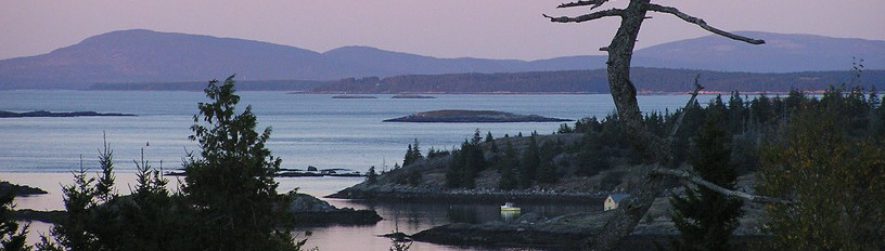
 MATTHEW'S ISLAND
Dear Matt greetings from Paris !
Very nice image. I felt it may be ottoman turkish, and in fact it appears to be a portrait of the famous sultan Mehmet II the conqueror who lived during 15th century.
http://lantrederlik.canalblog.com/albums/peinture_turque/photos/3143171-im391.html
But in fact you were quite near because persian art had a great influence of course in the ottoman empire. In fact I learned from a german linguist working at cnrs in France on persian languages that the rose and the nightingale are two of the great figures of traditional persian poetry and art. Here , the sultan is smelling a rose.
his bio:
https://en.wikipedia.org/wiki/Mehmed_the_Conqueror
This sultan is famous for his campaigns into the balkans against Albania and Transylvania. His army was defeated by the even more famous king of Transylvania Vlad IV the Impaler, because he impaled alive all the turkish (muslim) prisonners.
I must add that the brutality of ottoman conquest into the Balkans was so great that the excesses caused large scale terror because of the destruction and cruelty of ottoman troops. The use of soldier brutality as a weapon of terror is not new (see the huns, or mongols or the assyrians…), but in the case of the balkan this fueled a hatred of turkish and muslims that is still very strong in this region… (I personnally knew persons from this area that feel uneasy in presence of muslim of “arab” looking people…)
The ottoman political system and its military bred very peculiar and strange insitutions that were quite different to christian and european ones. The arbiters of succession to the throne were the janissaries, the famous “yeni çeri” or “new infantry” from which the famous french Mousquetaires were in fact inspired (basically, the elite infantryman of the time: highly trained, motivated, able to fire musket and and very proficient at the sword). The successor to the throne had to convince the janissaries commander to name him as legitimate sultan. Thus a violent struggle ensued between brothers and the loosers were either killed or exhiled. Exhiled pretendents generally fled to Europe and made excellent diplomats or councellors.
The janissaries were themselves composed of abducted christian children raised as soldiers to serve the sultan for their life. They were led by christian and musllim officers and chaplained by desert dervishes imams (the famous spinning dervishes) that often adopted very borderline points of view about the prophet Issa, ie: Jesus, nearly heretical from the sunni islam view. As you can expect this led to recurring crisis between the rest of the army and this quasi christian elite that formed also the personnal guard of the sultan, and the sunni religious autorities. In fact, religion was often a line of political uphavel between the political forces that traversed the ottoman empire.
This forces are still at play nowadays.
All the best, regards.
Franck.
Franck, Wherever I found this picture I think did say it was Ottoman but it was in a series where some of them had Arabic writing so I thought maybe it was Persian instead. Thanks for the correction – and all the information! I took a lot of North & South American history, some European history, and not much history of the rest of the world when in school and university. I do know how history does impact present day events. But I think the Islamophobia in Europe is based in more than just ancient or colonial history, it seems there are some modern/contemporary reasons as well – irrational as some may be. On that note, I hope that dreadful Marine LePen doesn’t get elected tomorrow. One Trump in charge of a major democracy is more than enough. Thanks again for sharing the information!